
12mm tempered glass price
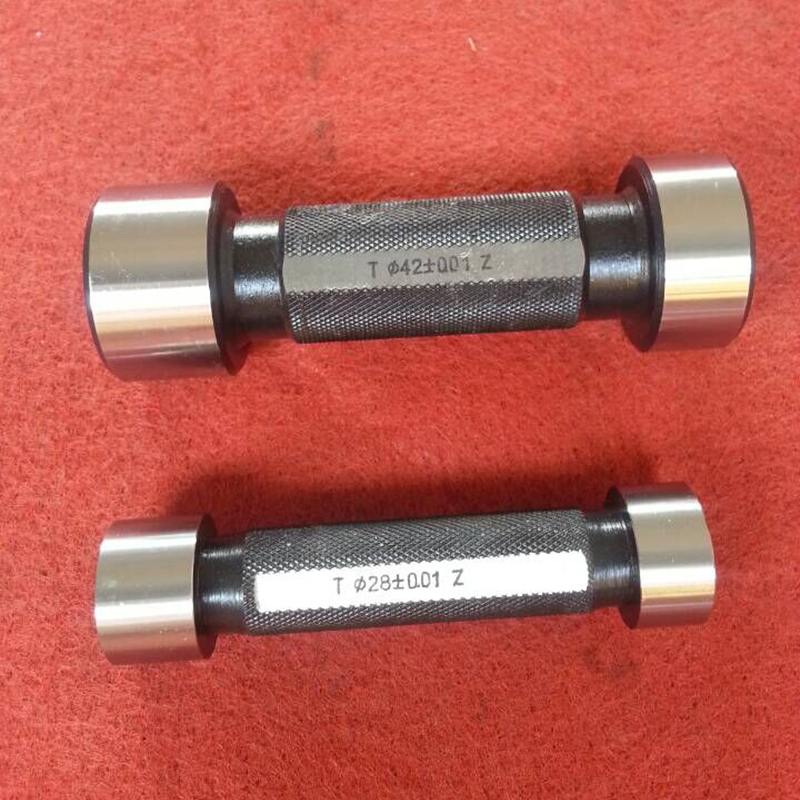
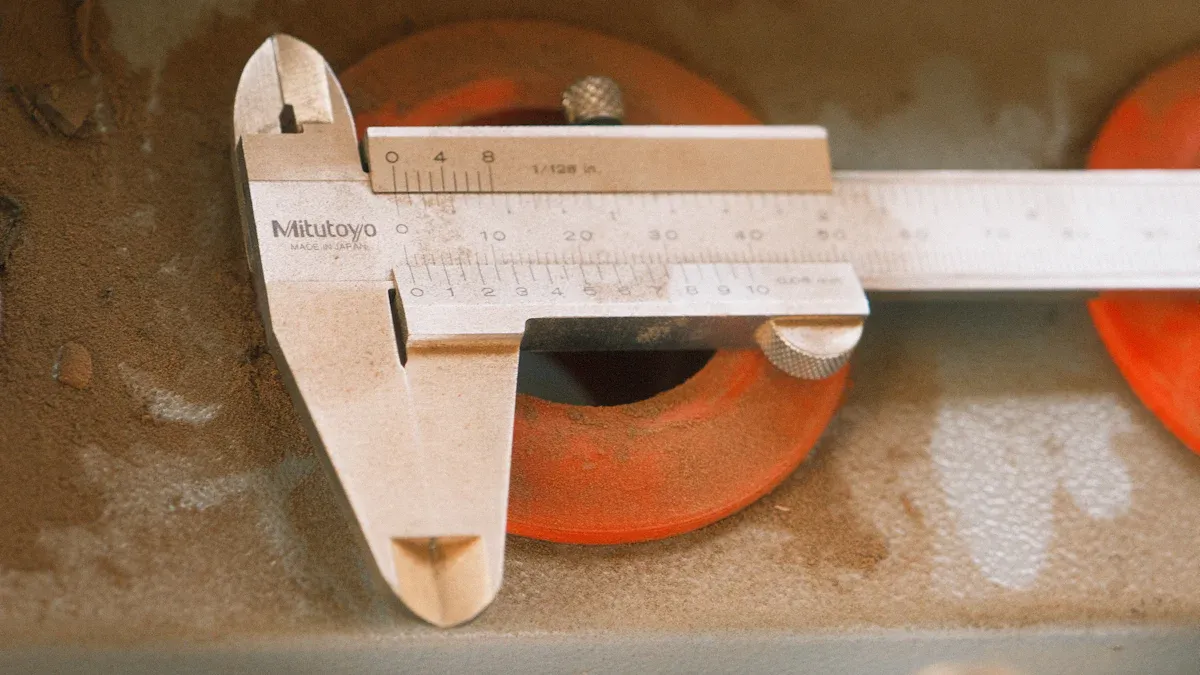
Understanding Small Bore Gauges Essential Tools for Precision Measurement In various industries, precision measurement is crucial for ensuring quality and safety. Small bore gauges are specialized tools that play an essential role in this process, particularly in the machining and manufacturing sectors. These instruments are designed to measure the internal diameter of holes, tubes, or cylindrical parts with high accuracy, facilitating the inspection of components in terms of size and fit. What are Small Bore Gauges? Small bore gauges, often referred to as internal gauges or plug gauges, are designed to measure the internal dimensions of small openings or bores that are otherwise difficult to reach with standard measuring tools. These gauges come in various designs, including dial bore gauges, electronic bore gauges, and manual bore gauges. The choice of gauge typically depends on the specific application, the precision required, and the size of the bore being measured. Types of Small Bore Gauges 1. Dial Bore Gauges These gauges have a dial indicator that displays the measurement readings. They are equipped with a probe that expands and contracts within the bore. The dial provides an easy-to-read measurement, allowing operators to quickly assess the internal dimensions. 2. Electronic Bore Gauges With advancements in technology, electronic bore gauges have become increasingly popular. These gauges provide digital readings and often include features such as data storage, allowing for convenient logging of measurements and integration with computer systems for quality control processes. 3. Manual Bore Gauges The most traditional type, manual bore gauges often require a skilled operator to interpret measurements. They are usually simpler in design and can be more cost-effective for smaller operations that may not require the precision offered by their digital counterparts. Applications of Small Bore Gauges small bore gauge Small bore gauges are utilized in a wide range of applications across different industries. In manufacturing, they're crucial for measuring the internal diameters of drilled holes, ensuring that components meet specifications. This is vital in sectors such as automotive, aerospace, and medical device manufacturing, where tolerances are critical to the functionality and safety of the final products. For instance, in the automotive industry, the proper fit of engine components is necessary for optimal performance. Small bore gauges enable manufacturers to ensure that parts like cylinders and bushings meet the precise requirements, reducing the risk of engine failure or inefficiencies. Importance of Calibration and Maintenance To maintain the accuracy and reliability of small bore gauges, regular calibration and maintenance are essential. Over time, any measuring instrument can drift from its original settings due to wear and tear, environmental changes, or mishandling. Hence, establishing a routine calibration schedule is vital. Calibration involves comparing the gauge’s readings with a standard measurement and adjusting it as necessary. This process ensures that it continues to provide accurate readings. Additionally, proper cleaning and storage of the gauges help prolong their lifespan and maintain their precision. Conclusion Small bore gauges are indispensable tools in the measurement arsenal of engineers and machinists alike. Their ability to provide precise measurements of internal dimensions makes them crucial in ensuring that parts are manufactured to the highest standards. With various types available, users can select the right gauge for their specific needs, whether for high-volume production or detailed inspections. As industries continue to evolve with advancements in technology, the role of small bore gauges in quality control will remain significant. Emphasizing regular maintenance and calibration will ensure that these tools provide the accuracy and reliability necessary for modern manufacturing processes. Understanding how to effectively use and maintain small bore gauges is essential for any professional involved in precision engineering and manufacturing. In a world where quality is paramount, small bore gauges stand out as a testament to the commitment to achieving excellence in product standards.
about
12mm tempered glass price
Why a measurement platform still anchors modern quality control Factories love buzzwords, and metrology is having a moment. AI checks, digital twins, edge analytics… yet, on every serious shop floor I visit, the quiet hero is still a rock-solid measurement platform . To be honest, when you dial in flatness and stability, you eliminate a lot of downstream noise. That’s where STR Machinery’s unit from Botou, Cangzhou (No.17, Building 11, Hardware Building Material City, Hebei, China) keeps popping up in conversations—wear resistant, stable, and, as many customers say, “hard to deform” even under daily abuse. Industry trends (and what buyers actually ask for) Two shifts stand out: tighter GD&T tolerances in EV and aerospace work, and the spread of inline verification. That means a measurement platform has to pair high flatness grades with decent mobility, vibration damping, and easy re-certification. Surprisingly, customization is now the norm—T-slots for clamping, inserts for jigs, and surface finishes that don’t bruise optics or delicate housings. Core specifications at a glance Base materials High-strength cast iron (HT250/GG25) or granite (black/diabase), application-driven Flatness grades Grade 00 / 0 / 1 per DIN 876, ISO 8512; ≈3–10 μm per meter (real-world use may vary) Surface finish Ra ≤ 1.6 μm (scraped cast iron) or honed granite Hardness / density Cast iron HB 170–220; Granite density ≈2.9 g/cm³ Load capacity Up to 5,000 kg (custom frames/stands available) Options T-slots, inserts (M8–M16), lifting points, leveling feet, vibration-isolation pads Process flow and quality controls Materials: selected cast iron with controlled pearlitic matrix or low-porosity granite blocks. Methods: stress relief (thermal aging), rough machining, semi-finish milling, fine scraping/lapping, final hand calibration. Testing standards: flatness verified per DIN 876 and ISO 8512; spot pattern checks, autocollimator sweeps, and repeatability mapping. Test data example: Grade 00, 1000×1000 mm, flatness ≤ 3.5 μm; repeatability ±1.5 μm; traceability via ISO/IEC 17025 lab certificates. Service life: around 8–12 years in typical machining environments; longer with covers and periodic re-scrape. Industries: EV drivetrains, aerospace brackets, precision molds, medical device housings, optics assembly. Why this measurement platform wins on the floor It’s the combination: wear resistance, stubborn stability, and—actually—a finish that forgives real-world handling. The origin matters too; Botou’s casting and stoneworking ecosystem keeps lead times sane. Certifications? The factory quality system aligns with ISO 9001, and calibration reports can be issued by ISO/IEC 17025-accredited partners. Customers tell me they notice fewer reworks after swapping in this measurement platform , especially for parts with tight positional tolerances. Vendor comparison (quick, practical view) Vendor Material Flatness grades Max size Lead time Notes STR Machinery Cast iron / Granite 00 / 0 / 1 ≈3000×2000 mm 4–6 weeks Strong customization, fair pricing Vendor A Granite only 0 / 1 ≈2000×1500 mm 6–8 weeks Great polish, fewer options Vendor B Cast iron 0 / 1 ≈2500×1500 mm 5–7 weeks Solid basics, limited T-slots Customization and real-world feedback Options span stand height, epoxy infill, coolant-safe coatings, and datum tag engraving. Shipping crates are moisture-controlled—small detail, big impact. One EV plant reported a 22% drop in gauge R&R variation after moving critical checks onto this measurement platform . A medical device assembler (clean area) liked the low particle shedding of the honed granite version—less wipe-down between lots. Application snapshots Automotive powertrain: fixture plates bolted to the measurement platform for inline cam-cap height checks. Mold shop: blueing and scraping on cast iron measurement platform to recondition reference faces. Optics: granite measurement platform under vibration pads for lens barrel coaxiality checks. Standards and traceability matter. Specify the grade you need, ask for a calibration map, and—this is my usual nudge—budget a re-verification every 12–18 months or after a move. References DIN 876: Flatness tolerances for surface plates. ISO 8512-1/-2: Surface plates — Granite and Cast Iron — Specifications and verification. ASME B89.3.7: Granite surface plates — Methods for inspection. ISO 9001:2015 — Quality management systems — Requirements. ISO/IEC 17025: General requirements for the competence of testing and calibration laboratories.
-

High quality industrial productsagement

High quality industrial products
View Details -

Meet the diverse needs of customers

Meet the diverse needs of customers
View Details -

Strict quality control

Strict quality control
View Details -

Top raw materials

Top raw materials
View Details -

Trusted supplier

Trusted supplier
View Details
Our application


news and information
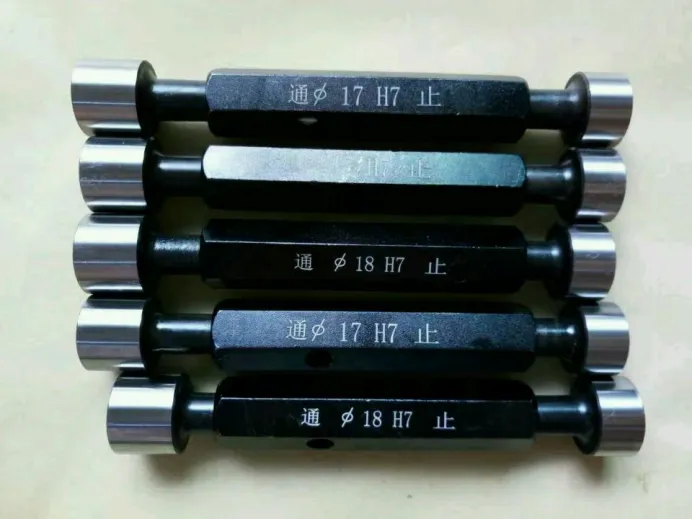
water turn off valve
Understanding Water Turn Off Valves Their Importance and Usage When it comes to plumbing systems, on

Vertical Y Strainer for Efficient Fluid Filtration Solutions
Understanding Vertical Y Strainers A Key Component in Fluid Systems In various industrial and munici
Versatile Clamps for Effective Fabrication Table Applications and Projects
Fabrication Table Clamps Essential Tools for Precision in Manufacturing In the realm of manufacturin
 English